 Elaine Lee
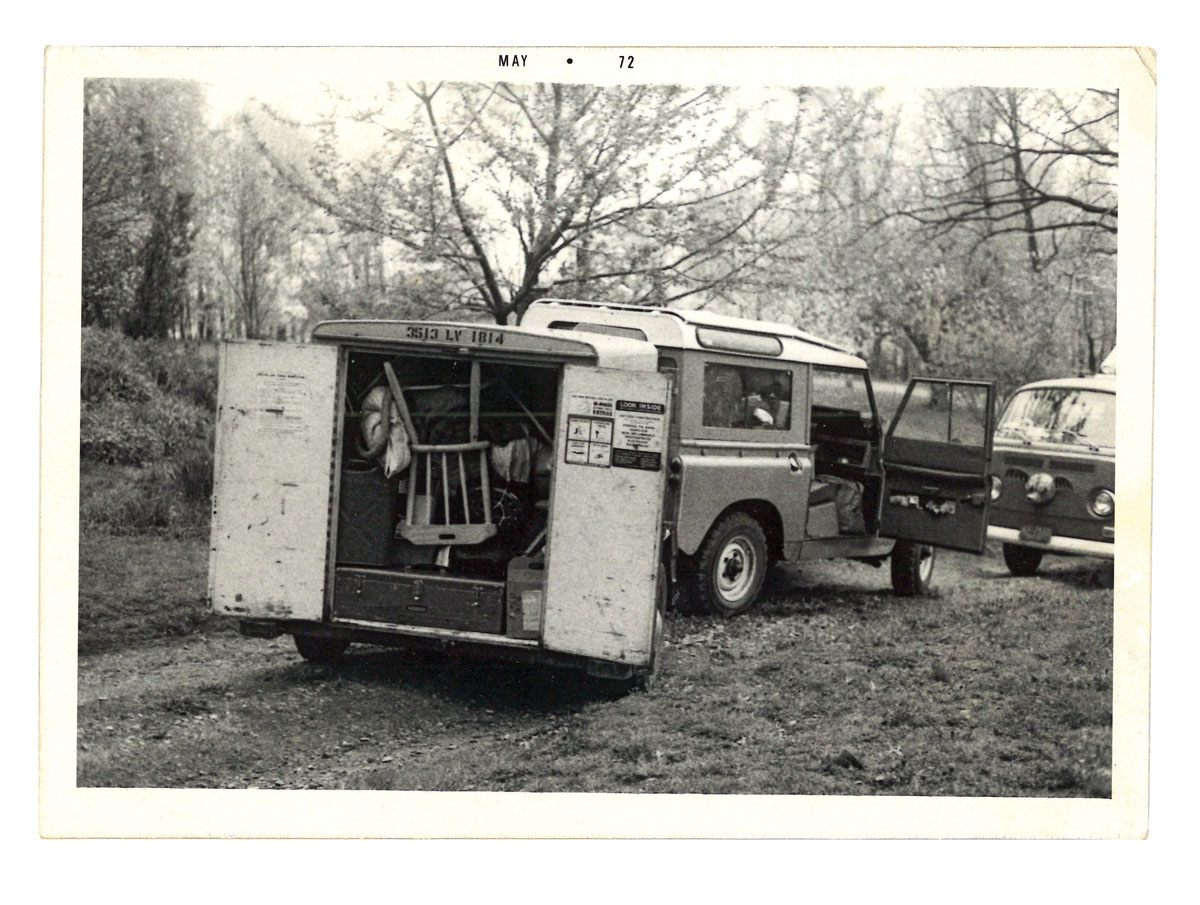
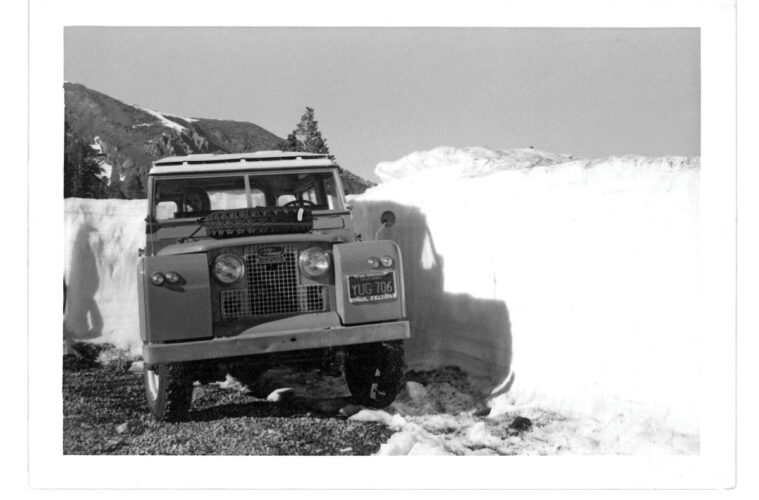
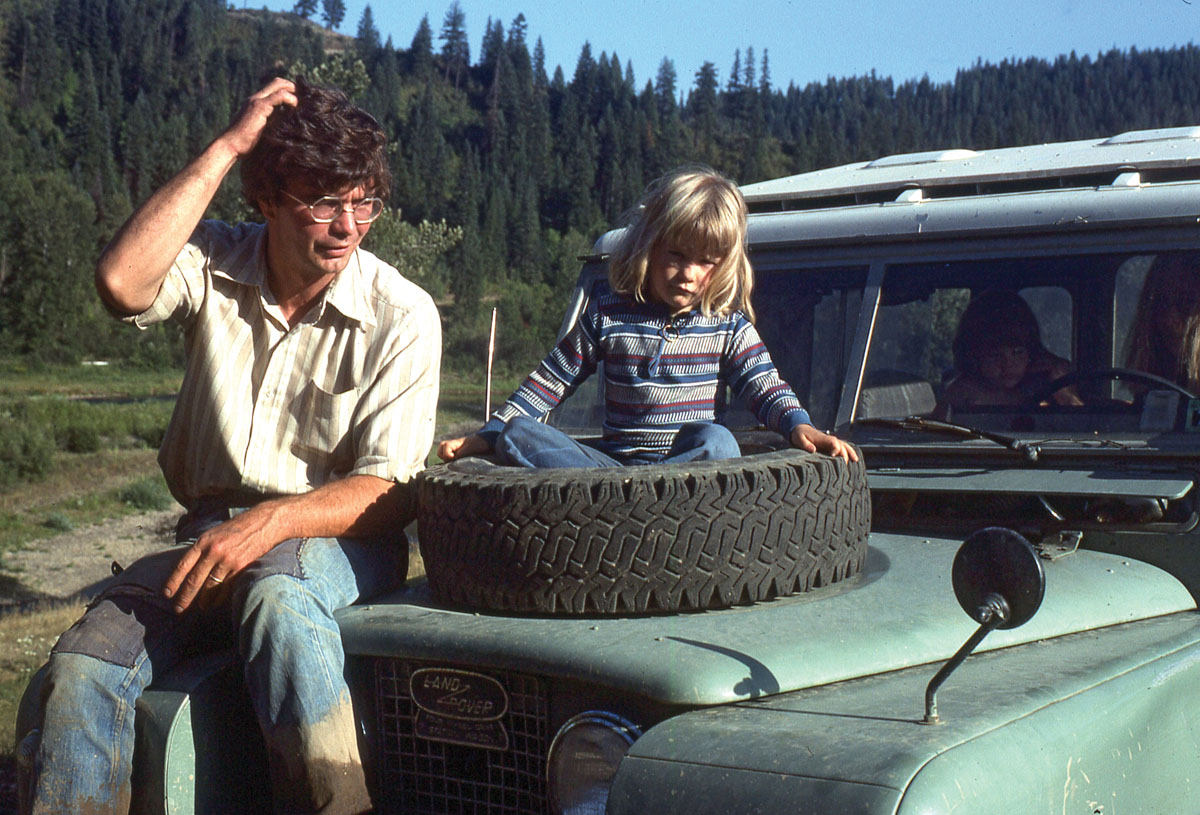
I n the summer of 1970, shortly after returning to the US from a yearlong sojourn in Australia, my parents, Bill and Nancy Gruber, bought a 1967 Land Rover Series 2A in pastel green, with a contrasting tropical roof in limestone beige. They would have preferred to buy new, but for various reasons – because they were newlyweds, because they were hoping to purchase some land out West, because $2,495 seemed like plenty of money to spend on a car, they settled for this one instead – an act of unimpeachable economy that for my father quickly became the source of minor but persistent regret.
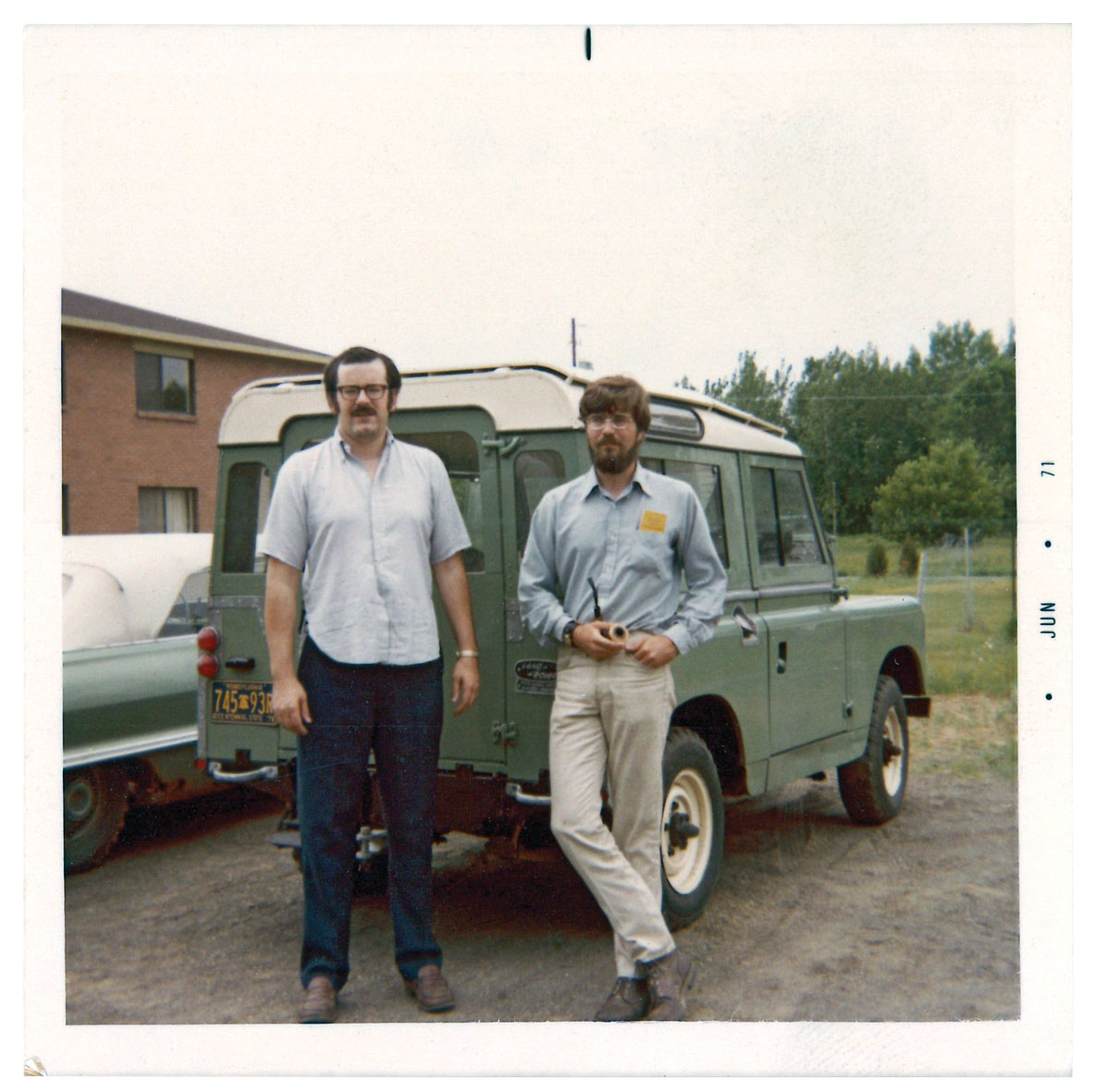
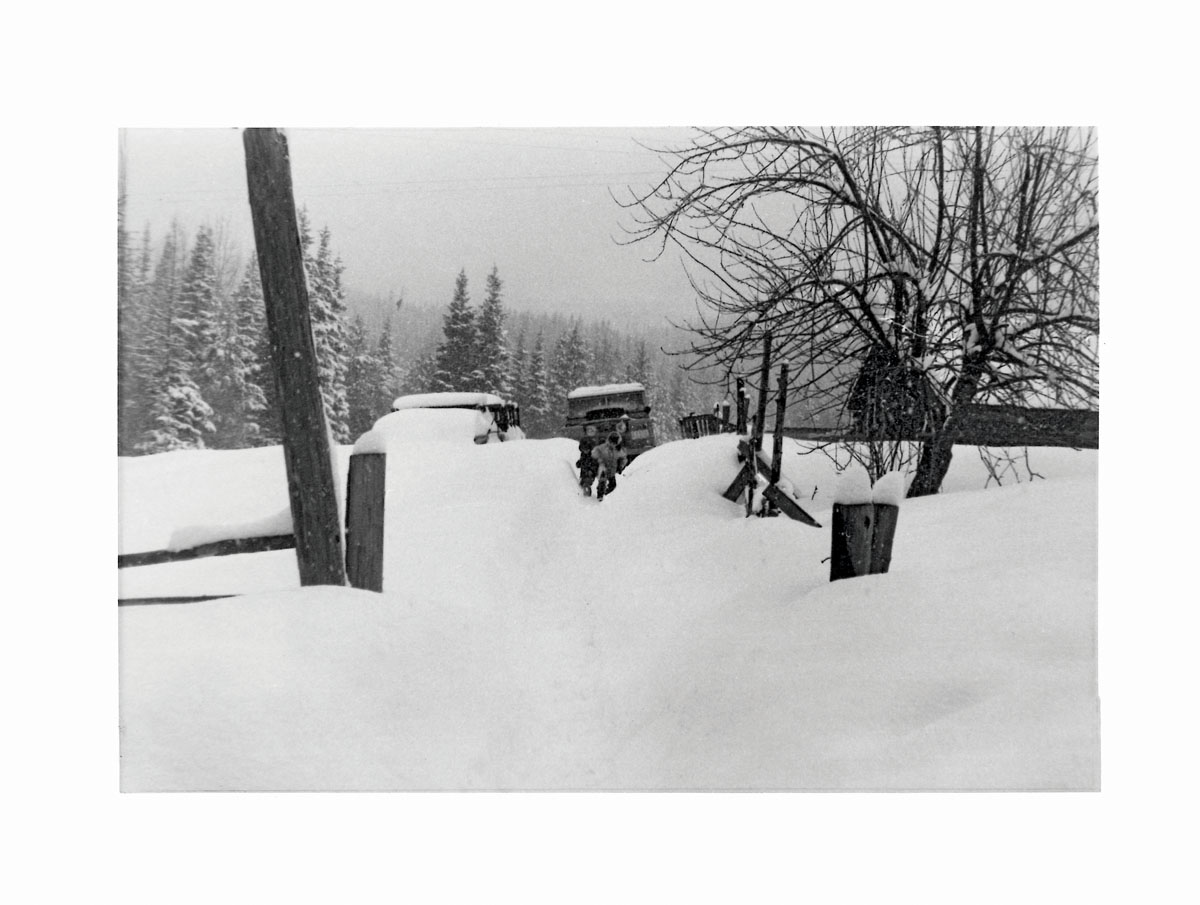
The Rover broke down four times during the first year they owned it – then later and often, after they moved to the countryside of Northern Idaho. These problems were fixable – a cracked exhaust manifold here, worn generator brushes there – and were the opening notes of what would be a decades long symphony consisting not of cellos and oboes and violins but rather, of chipped teeth on intermediate transmission gears, broken leaf springs and tie rod ends, and leaking piston rings. Saturdays and Sundays, and most any day of the week during the summers, my father could be found under the car – sweaty, oil stained, and, as often as not, swearing.
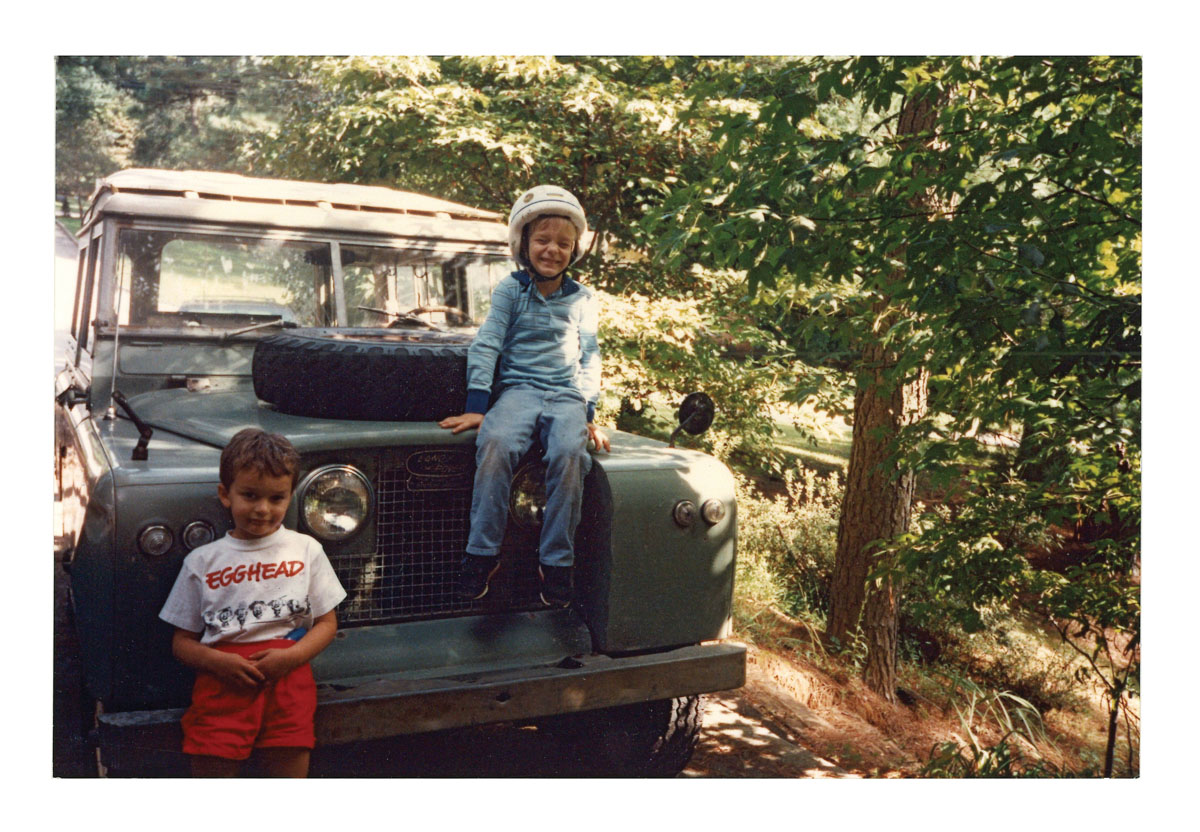
Still, for my sister Laura and me, the Rover’s unpredictability only added to its charm. Any outing, however short, carried with it the possibility that the car might strand you, like a balky horse or sulky lover. Its eccentricities and moments of betrayal became woven into our family lore. There was the time that I broke the rear axle in an ill-advised attempt to learn to double clutch – an experience that gave me a newfound appreciation for my mother’s youthful intrepidity, for she had learned the technique on the fly, during the skills portion of her California drivers test, on the hills of San Francisco.
On chilly evenings, Laura and I kept an ear out for dad’s return home as we went about our play, and were often tricked by distortions of sound and our own eagerness to see him. One evening as we were playing on the porch of our cabin we heard a noise, and Laura, looking as sharp as a toddler possibly can, delivered her pronouncement: “Might be coyotes, might be Ronnie Rover.” It was a phrase we used for decades to come, whenever hope and realism did battle in our souls.
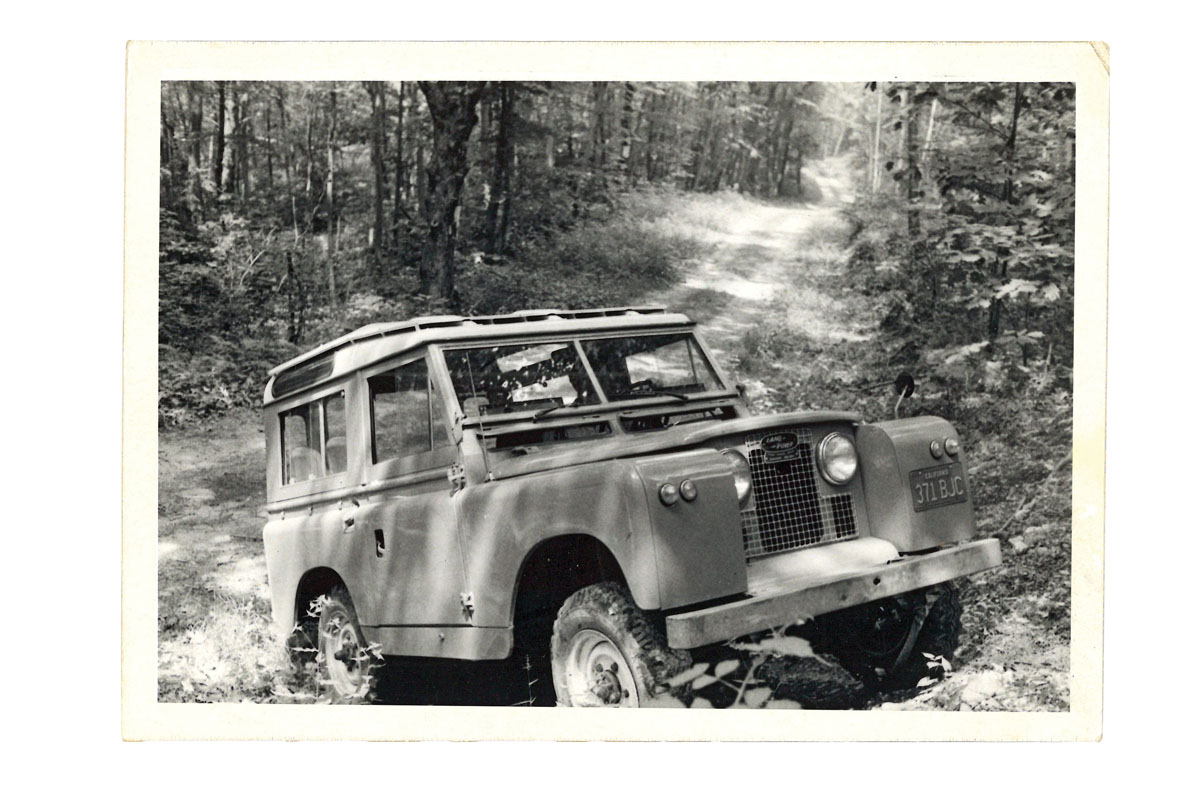
The family penchant for anthropomorphizing went well beyond the car’s name. Ronnie’s face, its unique configuration of grill and bumper, headlights, windshield and bonnet, was distinctly humanoid. At times the car seemed to resemble a Victorian uncle, gruff but kindly; in other lights or moods, it reminded us of my father himself – jaunty in a slightly threadbare, professorial way. By the early ‘90s, Ronnie had outlived his practical usefulness. But in our imaginations at least, car and man had merged, in a kind of metonymic relationship that obviated any question of trading it in.
At that point, my father let the Rover’s registration lapse and parked it, facing outwards, in our carport in suburban Atlanta, where we had moved in 1980 after my father found a teaching job as a professor of English literature. Every December, he outlined the Rover’s face with strings of hot pink lights—an act that was probably taken as an affront against the collective good taste. I doubt my father meant to offend, but I do think he meant the car’s visage as a statement of some kind: I am down, but don’t count me out.
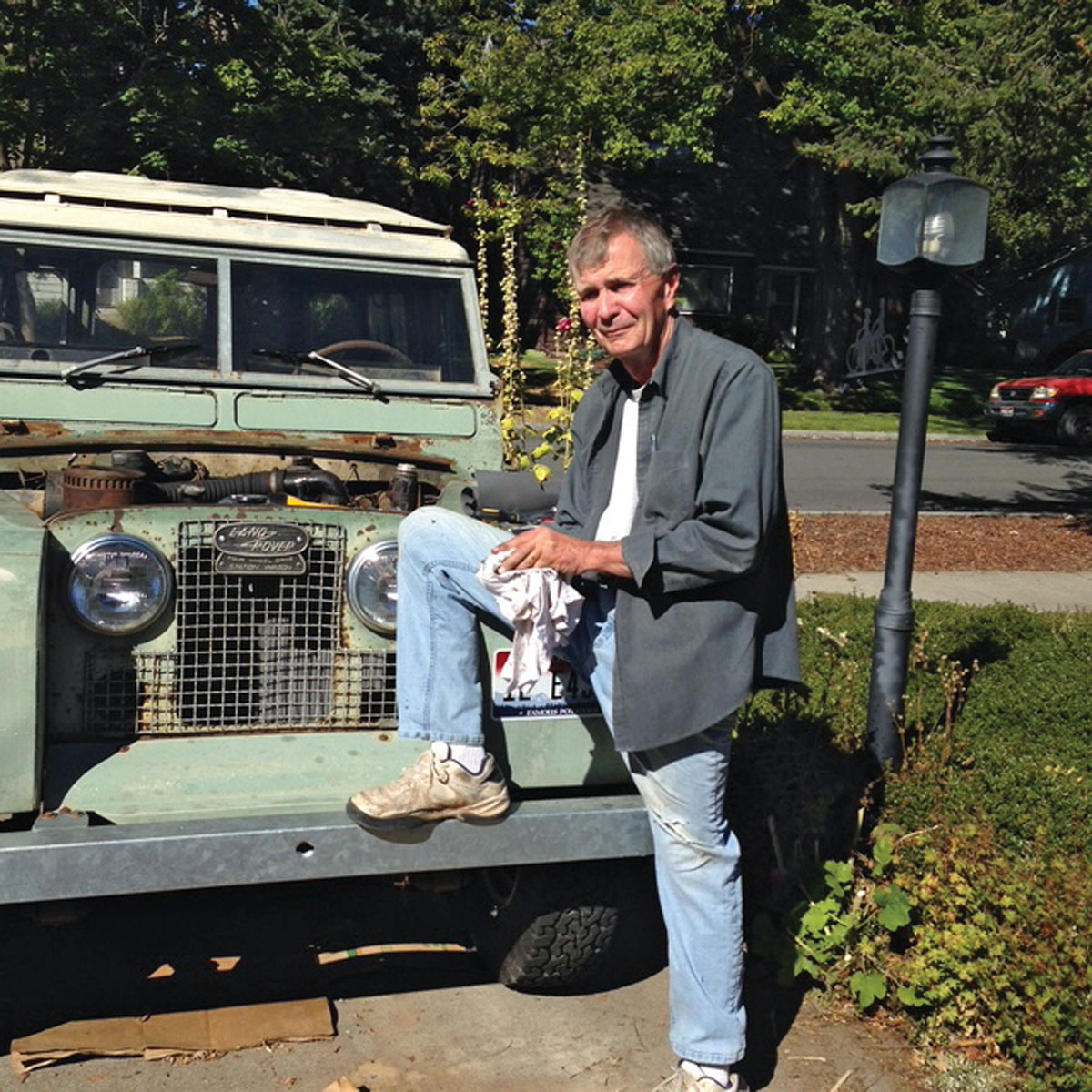
I poked my head in the Rover not too long ago and sat for a while in the front passenger seat. The occasion was the car’s return from a Land Rover rehab center in Mora, New Mexico, where my father had sent it to be rebuilt, in anticipation of his and my mothers’ retirement and their return to Northern Idaho.
World languages have plenty of words for the experience of nostalgia; the Portuguese have saudades, a supposedly untranslatable word describing an acute though not necessarily unpleasurable melancholic yearning for the past. The Japanese have mono no aware, a sense of anticipatory nostalgia when thinking about objects that will outlast the self. As far as I am aware, there is no word for the feeling that arises when we return to the scenes of our youth fully aware of the potential for nostalgic letdown, that moment when we realize things are smaller and shabbier than we remember but instead find our memories to be eerily accurate.
I was in my forties when I looked into the Rover, perfectly primed to experience this sense of disappointment – yet Ronnie was just as he had always been – his dash dusty beyond remedy, university parking passes built up like barnacles on his rear panel. The same vinyl seat covers my mother had sewn as a young woman were still there, long since shredded, their holes revealing foam cushions the color of tobacco-stained teeth.
It had never occurred to me to ask why the Rover remained, even after we’d bought and sold a half dozen other cars. What reason, really, did we Grubers have for hauling around a three-thousand pound hunk of dysfunctional aluminum and steel?
As it turned out, my dad had a ready answer: “At a time when my 30th birthday no longer seemed an abstract possibility, I was still a lowly schoolboy who couldn’t earn enough money to support even a bare-subsistence lifestyle for my wife and infant daughter. Fixing a broken car was something I could do that was manly and economically meaningful.”
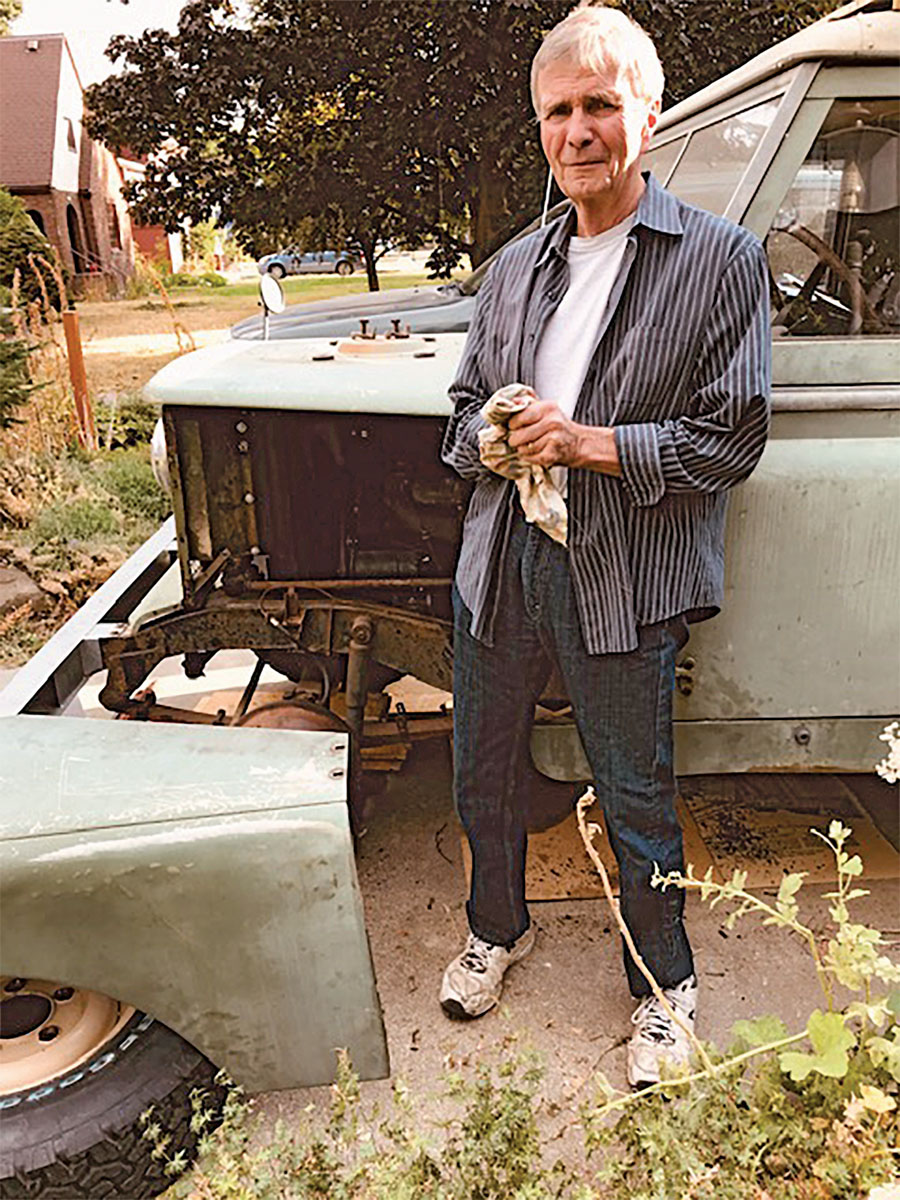
Dad spoke fondly of the tattered copy of the Land Rover Workshop Manual he carried around in those days. “The simple prose of chapters such as ‘Front Swivel Ball Housing: Overhaul’ or ‘Cylinder Head: Remove and Refit,’ proved to be a satisfying alternative to the bumbling sentences composed by students in my composition classes.”
After his return from New Mexico, Ronnie broke down again on his very first drive. There may have been a time when I regarded the Rover’s fate, and my father’s preoccupation with it, in a slightly cynical way, with the detachment one reserves for aging friends engrossed with projects that seem increasingly futile or absurd. Now though, I see those years of effort more as an act of faith. Our triumphs and defeats exist alongside one another, like odds and ends in the glove compartment of a car. After fifty years, I finally understand that the never-ending breakdowns that led my dad to dub Ronnie “Antichrist II,” had actually been the point. Which is something, I suspect, that any proper Land Rover owner knows.
Additional Photos: