 Admin
AdminIn the early years of this century, it seemed that every new model out of JLR added breadth to the Range Rover lineup (Velar, Range Rover Sport, Evoque). The Discovery 5 made its appearance in North America in 2017, just a year after the Discovery Sport, but there have been only refreshes to the Discovery lineup since; witness its reduction of US annual sales from over 10,000 to barely 3,000 in 2025. It’s time for a Discovery 6, and please don’t make it look like its Range Rover cousins.
We had to wait until 2020 for the re-appearance of the Defender, but six years later, it sells robustly in the US [over 23,000 in 2025] and worldwide [116,000]. More impressively, sales have not diminished since its reintroduction.
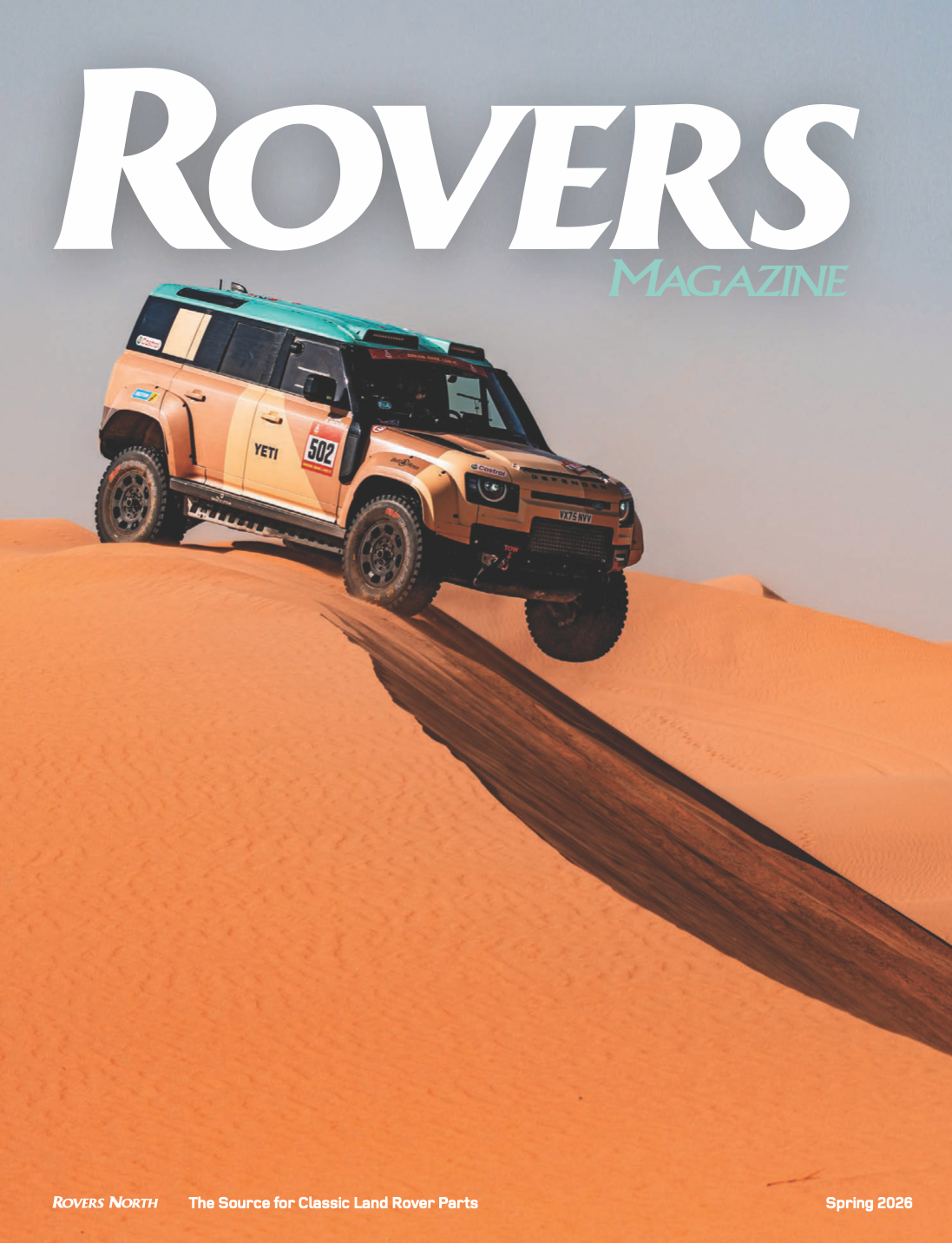
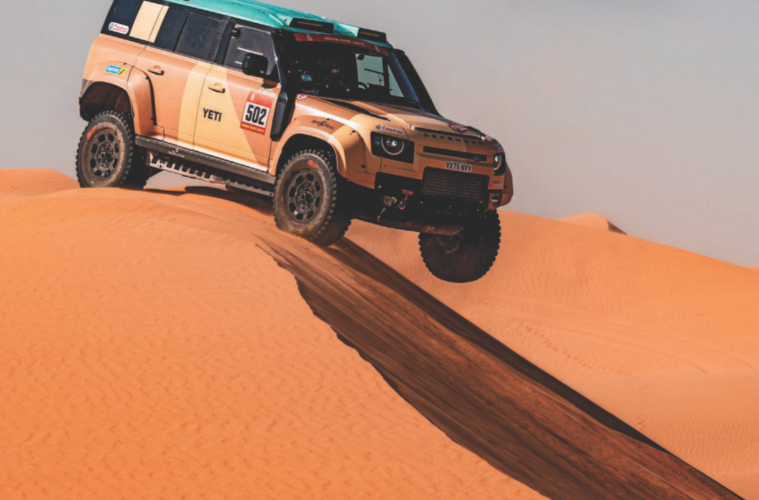
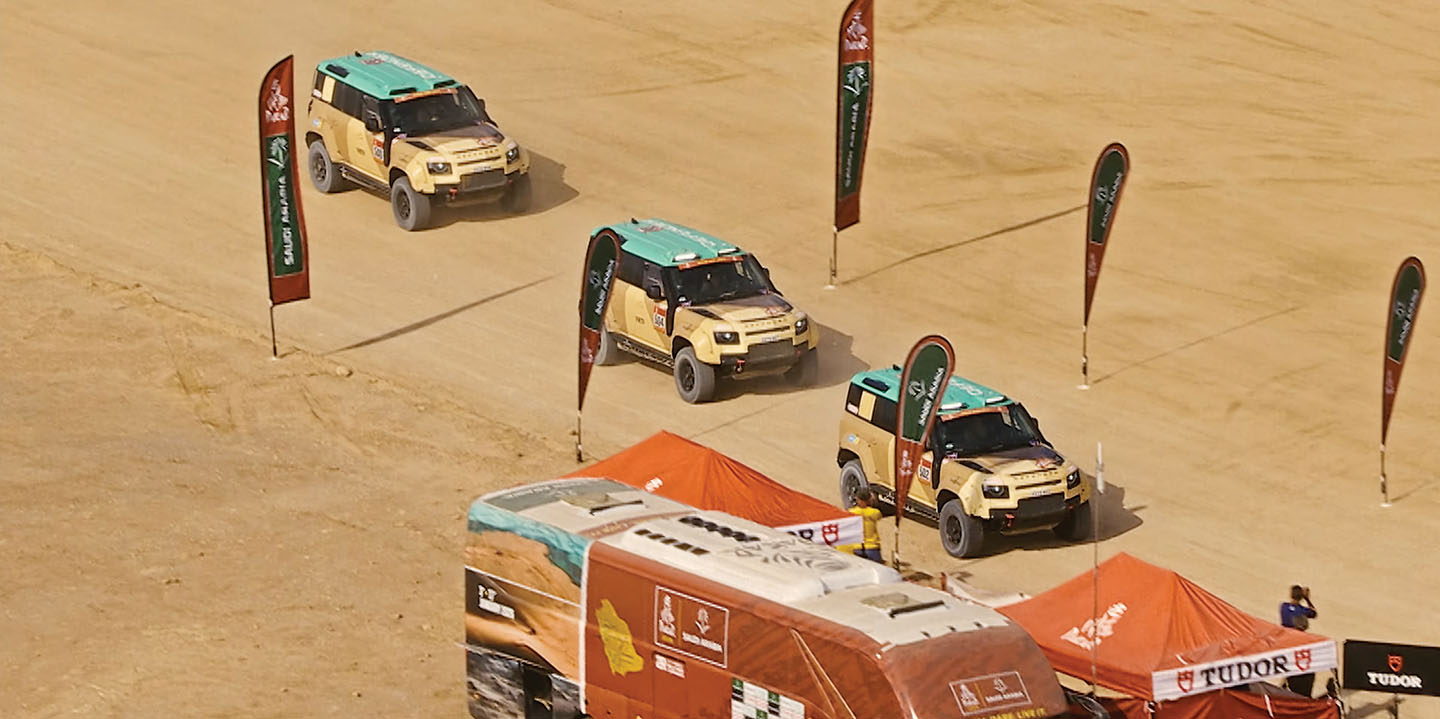
Here in North America, we’ve been unsuccessful to date in convincing Land Rover that their commercial Defender variants belong in our market, too — and please design them with fewer luxury bells and whistles and more utility features. We must give credit to JLR that when they determined that Defenders should offer a performance vehicle, they took the bold step of entering three Dream Teams in the Dakar, “The Everest of Off-Road Rallying.”
And Defender did just that in the Stock class – taking 1st (Rokas Baciuška/Oriol Vidal), 2nd (Sara Price/Sean Berriman) and 4th (Stéphane Peterhansel/ Mika Metge). That 4th place only happened because the Dakar assessed a penalty when the Defender of both veteran winners of past Dakar competitions broke a serpentine belt requiring a tow to their bivouac. In the end, Defender won 10 of the 13 timed stages in their class and had a podium finish in all 13 stages.
Their conquest has stunned the Rally-Raid world; it just doesn’t happen that newly-formed teams running new entries dominate a world-class rally. Congratulations to Team Principal Ian James and his crew of engineers, auto technicians and off-road driving experts.
Now, please consider using those considerable engineering talents for a utility oriented Defender – or Discovery!
Jeffrey Aronson
Editor